
CoreSpaces
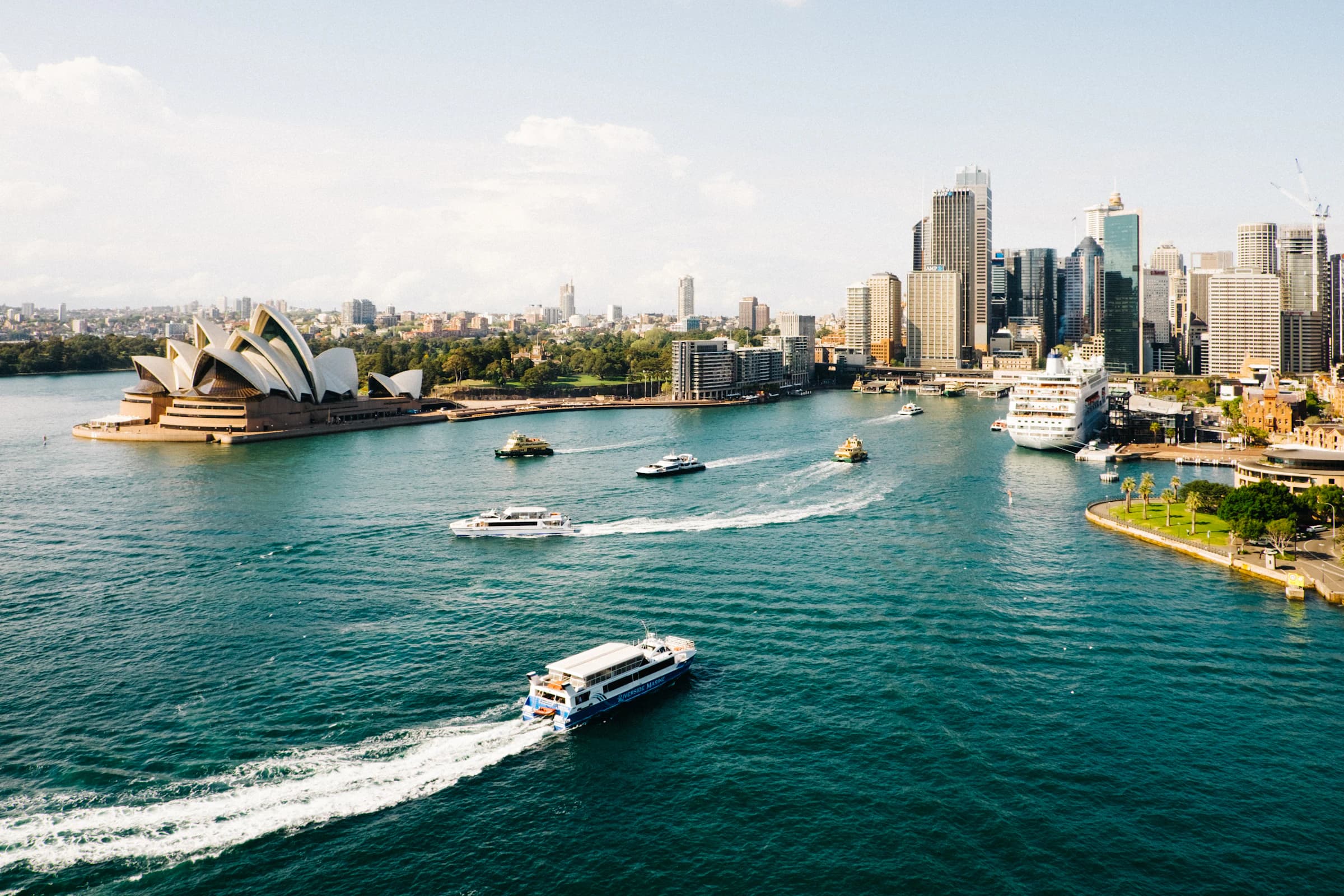
Sydney harbour skyline at dusk

PARTIALLY CLOSED

Market research

Australia

The temporary ban on foreign purchases of established residential dwellings was implemented for two years from 1 April 2025. In the Budget 2026–27, the Government announced an extension of 2 years and 3 months, running to 30 June 2029. Until then, foreign persons — INCLUDING temporary residents and foreign-owned companies — cannot buy an established dwelling in Australia unless a limited exception applies.

Sydney / Melbourne · Established dwellings banned

Foreigners are BANNED from buying ESTABLISHED dwellings — and the ban was just EXTENDED to 30 June 2029

Where Australia wins

Australia is the market that everyone else is now copying — Canada is explicitly studying it as the template for its post-2027 framework — and the model is more coherent than a blanket ban: foreign capital is welcome if it ADDS housing, and unwelcome if it merely competes for existing stock. For a foreign buyer willing to work in the new-build segment with FIRB approval, the market is genuinely open, deep and well-governed. But the established-dwelling ban runs to 30 June 2029, it has already been extended once, and confining foreign buyers to new-build stock means paying developer margin and wearing the resale discount that comes with it. Australia does not lose to Dubai on quality; it loses on access.

Foreign ownership

New builds and supply-adding investment: permitted with FIRB approval. Established dwellings: BANNED until 30 June 2029.as of 2026-05 · source

The Australian framework is the crucial distinction that the rest of the world is now copying: foreign capital is channelled toward ADDING housing supply rather than competing for existing stock. Foreign persons may generally purchase new dwellings and vacant land for development, subject to FIRB approval (a case-by-case review before completion). They may not purchase established (second-hand) dwellings. Limited exceptions to the established-dwelling ban exist for investments that significantly increase housing supply or support its availability. Other existing exemptions remain — including for New Zealand citizens.

Enforcement

The ATO enforces via enhanced screening of foreign investment proposalsas of 2026-05 · source

This is not a paper rule. The ATO explicitly states it will continue to enforce the ban through enhanced screening of foreign investment proposals relating to residential property.

Key risks

What can go wrong

01

The established-dwelling market — which is most of the market — is closed to you

Existing homes in Sydney, Melbourne, Brisbane and everywhere else are off-limits to foreign persons until at least 30 June 2029. A foreign buyer is confined to new builds and development land, with FIRB approval required before completion.

02

State surcharge duties and land taxes stack on top of FIRB approval

Australian states levy foreign purchaser surcharge duties and absentee/foreign owner land tax surcharges IN ADDITION to the federal FIRB regime. Approval to buy is not the end of the cost story — verify at state level.

03

The ban was extended once already, and is now being exported

It was extended by 2 years and 3 months in Budget 2026-27 and is now described by international counsel as a 'durable' policy. Canada is studying it as a model. Assume the direction of travel is more restriction, not less.

04

FIRB approval is case-by-case and required BEFORE completion

Unlike Canada's categorical exemptions, which permit qualifying purchases to proceed without individual approval, the Australian regime generally requires review-board approval on each transaction. This adds time, cost and execution risk.

Research only

CoreSpaces is not licensed to broker in Australia

CoreSpaces is not licensed to broker or advise on property transactions in Australia. This page is research only. Foreign investment in Australian residential property is screened by the Foreign Investment Review Board (FIRB) and enforced by the Australian Taxation Office (ATO). Engage Australian legal and tax counsel.

Visit the Australia regulator →